I was disappointed at the limited galleries around town… and most of them are closed at the moment. So, I researched if there were any virtual galleries I could visit online instead. Thankfully, MOPA.org has a few online exhibitions that I thought were interesting.
Exhibition 1
The first exhibition was titled “Facing the Past: Portraits by Edward S. Curtis” who was a popular American photographer from the 1900’s. His fame came from his documentation of Native American villages in 1906, called: The North American Indian. It was interesting to me to see his unique style still being used today, even with our modern cameras and technology. His photo’s took on a orange, rust hue over black and white. I remember editing a photo I took of some logs to look the exact same way, without knowing that the style dated back to the 1900’s. Here are some of my favs from this exhibition:
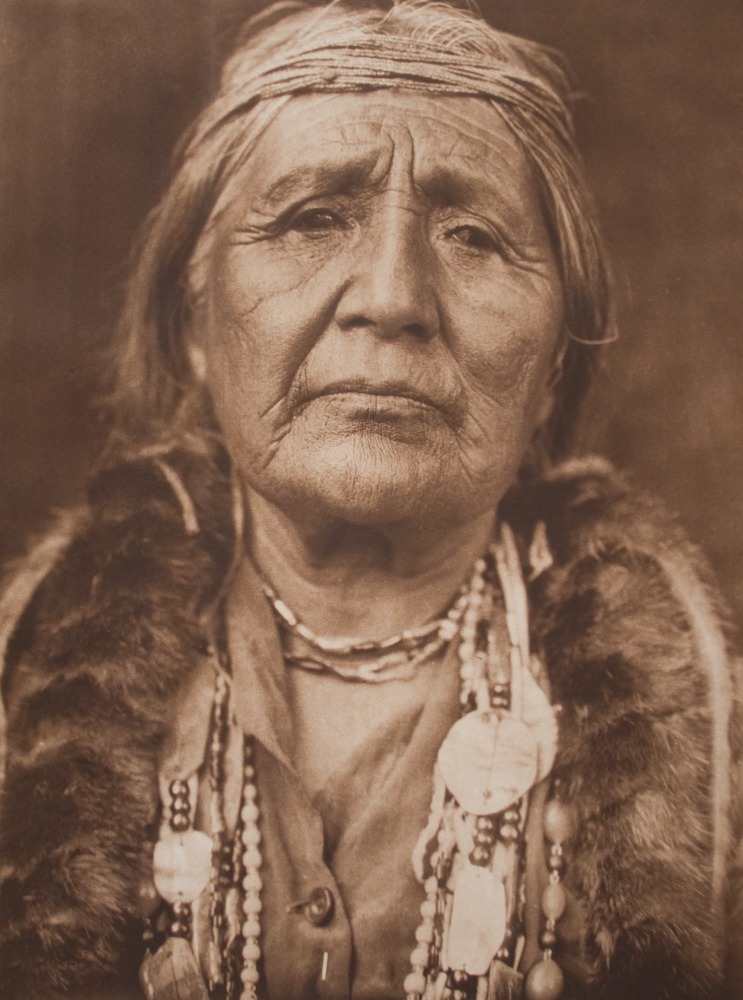
I love how he chose to take this picture close up. I feel like it brings so much more character to the subject.
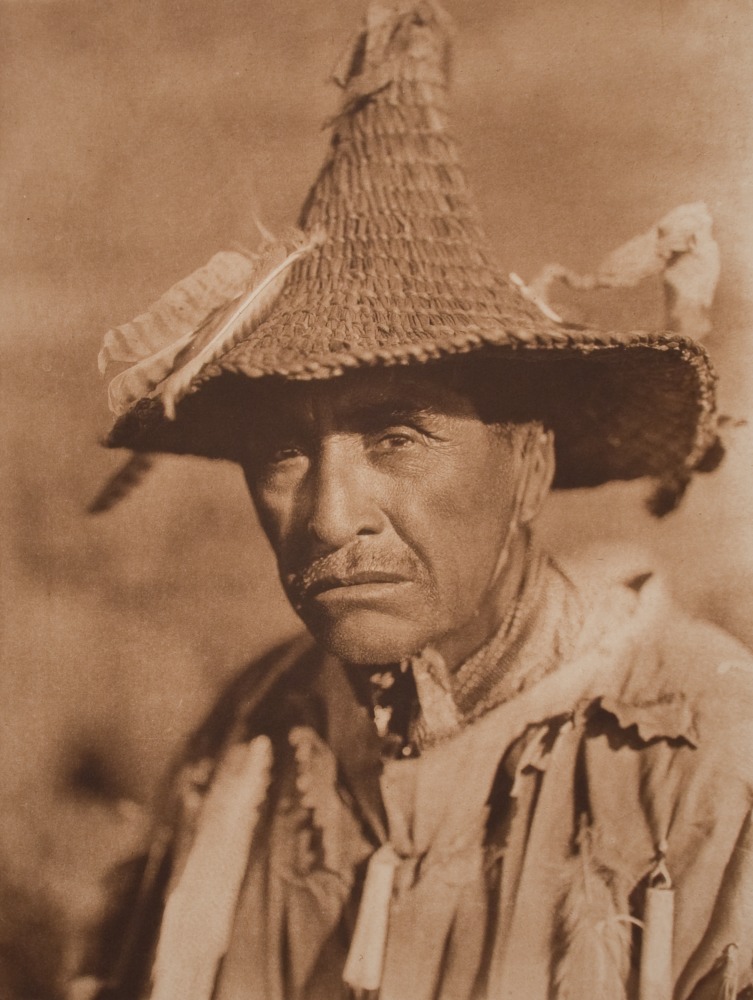
I like the angle of this photo and the background. It blends in, but it adds depth.
Exhibition 2
This was by far my favorite exhibition, which is why I am doing it last. This portion of the gallery is all under the label of Bern Schwartz, a famous photographer in the 1970’s, who primarily took photographs of significant public figures. His work was grainy and colorful – vibrant and washed out at the same time. MOPA.org says that his style was “intimate and informal” which I had to include because I totally agree. I would let him run my Instagram page if I could. I love love LOVE the vintage look that he shot with. It’s growing very popular right now. Here are some of my favorites:
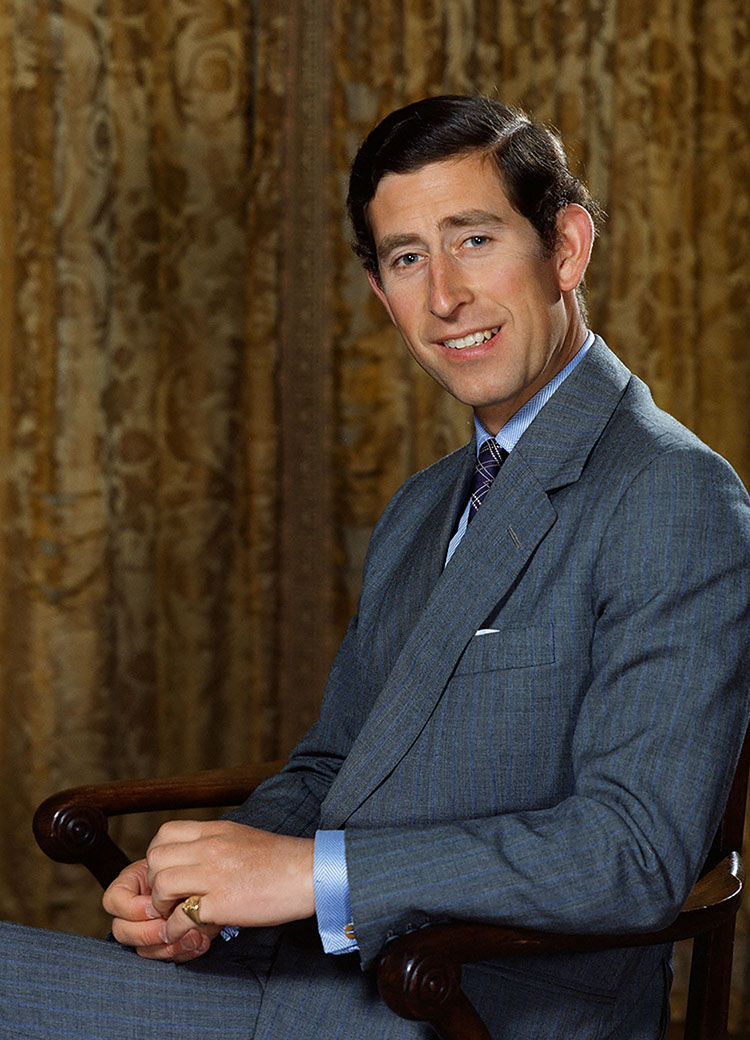
This is Charles. the Prince of Wales at the time. Intimate and informal is definitely the word I would use when looking at this. I can’t help but fall in love with this friendly looking guy, to be honest.
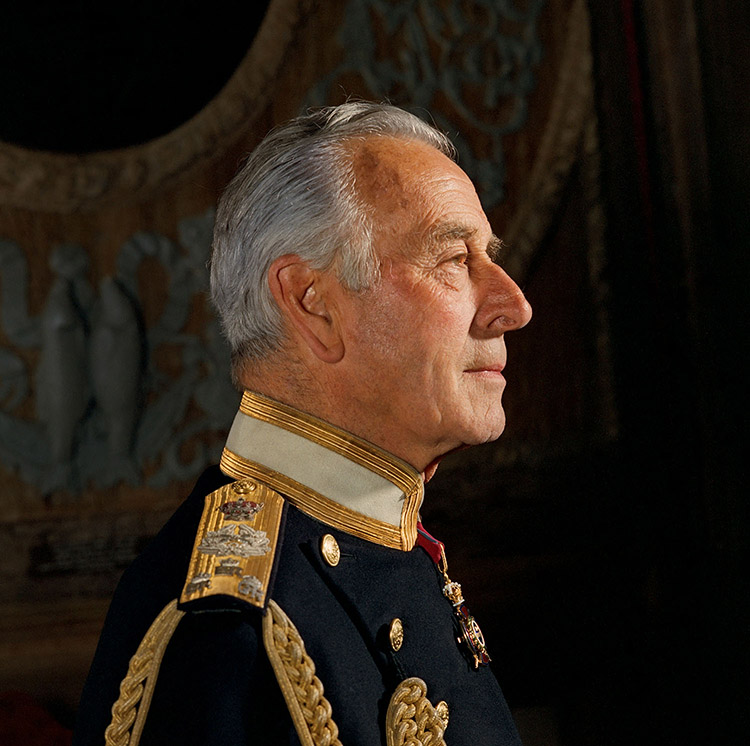
I love the lighting in this photo of Louis Mountbatten, and how his face and the gold on his vest stands out. Masterpiece.

How can you not love W. Averell Harriman (whoever that is) after looking at this photo?? I would put this in the “environmental portrait” category because it shows a lot about the subject, and I can tell that props and other components have been strategically placed.
 Lizzie's Digital Art